The Complete Guide to Choosing the Best Shooting Glasses
By: Bobb Rob (NSSF Staff, Updated 2025 )
When you’re trying to spot a fast-moving clay against bright sky or tree cover, your eyewear becomes more than simple protection; it becomes performance gear. The right clay shooting glasses enhance target visibility, improve reaction speed, protect your eyes from debris and help you shoot confidently in any lighting condition. But not all shooting glasses perform the same and choosing the right pair means understanding lens color, tint behavior, frame geometry and sport-specific conditions.
This guide breaks down everything you need to choose the best shooting glasses for Sporting Clays, Trap, Skeet and general shotgun use, including lens-color strategies, prescription options and a fully updated 2025 buying framework.
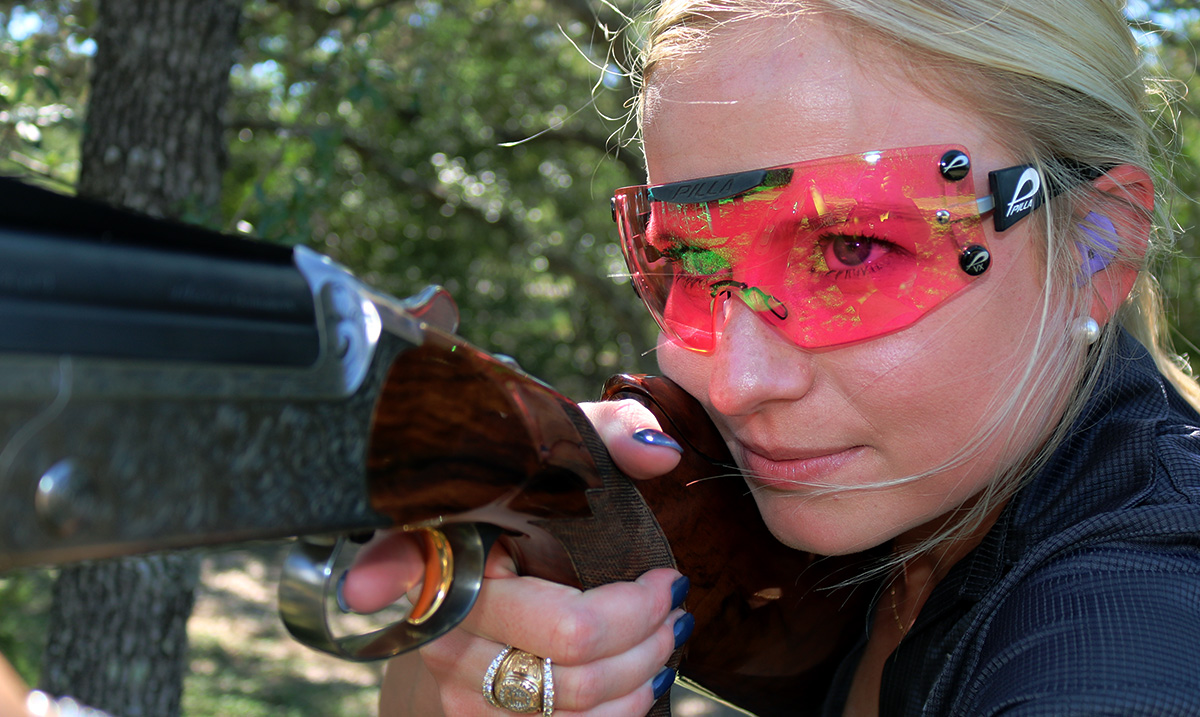
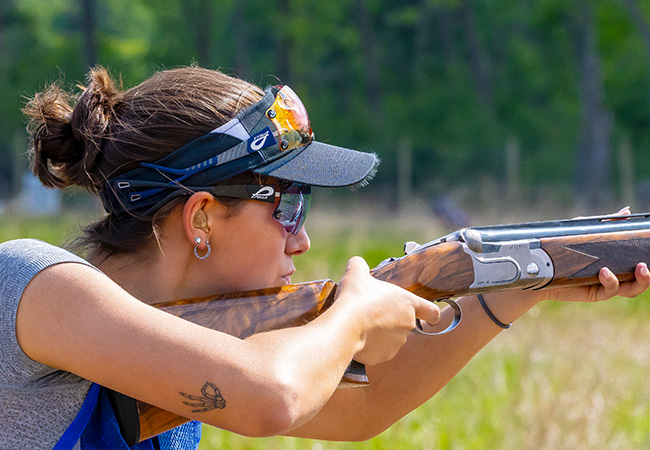
Great vision, good gear and a sunny day. Shooters often say the right shooting glasses add both safety and enjoyment to their time on the course.
Safety & Performance
Why are Shooting Glasses so Important in Clay Sports?
All of the shotgun shooting sports — trap, skeet and sporting clays — require quality eye protection on the range.
Clay shooters rely on their glasses for more than basic protection — the right eyewear helps shield your eyes, make targets easier to see and keep your vision sharp across an entire course. These three elements work together to create a safer and more consistent shooting experience.
Click the tabs below to learn more
Performance
Target Visibility
Clay sports require rapid visual acquisition. Lens tints enhance contrast between the clay and its background — whether that background is blue sky, green trees or gray overcast clouds.
The right lens color or tint can make the target “pop,” giving you faster tracking and more consistent breaks.
See Full Lens Tint Guide Below
Safety
Protect your Eyes
Shotguns throw more than pellets — unburnt powder, fragments of clay, bits of vegetation and wind-carried debris can easily strike the face. Polycarbonate shooting glasses with impact ratings like ANSI Z87.1 or MIL-PRF standards protect your eyes from high-velocity fragments that could cause lasting injury.
Requirements
According to safety rules published by organizations such as the NSCA and NSSA, eye protection is required for all shooters and personnel present on a clay-target field
ANSI Z87.1 (High Impact)
According to ANSI/ISEA documentation, eyewear marked Z87+ is tested to withstand both high-mass and high-velocity impacts. Many shooting-oriented eyewear brands design their lenses to meet or exceed these requirements.
MIL-PRF Ballistic Standards
MIL-PRF-31013 and MIL-PRF-32432 are U.S. military ballistic eyewear standards describing additional impact tests and optical quality requirements. Shooting-eyewear manufacturers such as Oakley SI, Wiley X, ESS and Revision often state compliance with one or more MIL-PRF standards for specific models.
Comfort
Specialized shooting glasses often include features designed to improve comfort during shooting. Frames usually have a “sweat bar” that runs the width of the frame above the lenses, which adds stability and a more secure fit. Frames are also typically round to avoid sharp corners that could jab the face. There may also be additional padding around the eyes on the frame. Spring hinges at the temples are often incorporated to allow the frame to flex during recoil and adjustable nose pads ensure a precise fit.
Good eyewear reduces glare, prevents eye fatigue, resists fogging and sits comfortably under hats or ear protection. That means better consistency through long practice sessions and competitions.
Lens Materials & Coatings
- Anti-fog coatings for humid or cold days
- Scratch-resistant coatings for lens longevity
- Anti-reflective layers for reduced glare
- Hydrophobic coatings to repel rain or sweat
- UV400 protection (blocks 99–100% UVA/UVB)
Color Guide
What Lens Colors Work Best for Clay Shooting?
Choosing the best clay shooting glasses often starts with choosing the right tint. Here’s a condition-based guide:
| Bright Sun / Blue Sky | Purple - Copper/Vermillion - Gray/Smoke | Reduces glare and improves the orange clay’s contrast against blue sky. |
| Overcast / Low Light | Yellow - Light Orange - Rose/Pink | Boosts brightness and enhances target contrast in flat, dim light. |
| Tree-Line or Dense Green Backgrounds | Purple - Amber/Brown - Vermillion | Cuts green wavelengths, making orange clays stand out more clearly against foliage. |
| Dawn / Dusk | Light Yellow - Amber - Photochromic | Maximizes brightness and sensitivity for early or late shooting. |
| Mixed Conditions | Interchangeable lens kits or photochromic lenses | Lighting can shift rapidly across a course; flexible lenses keep you prepared. |
Lens color also interacts with the different types of clay targets you’ll see on a course—standard, midi, chandelle, rabbit and more.
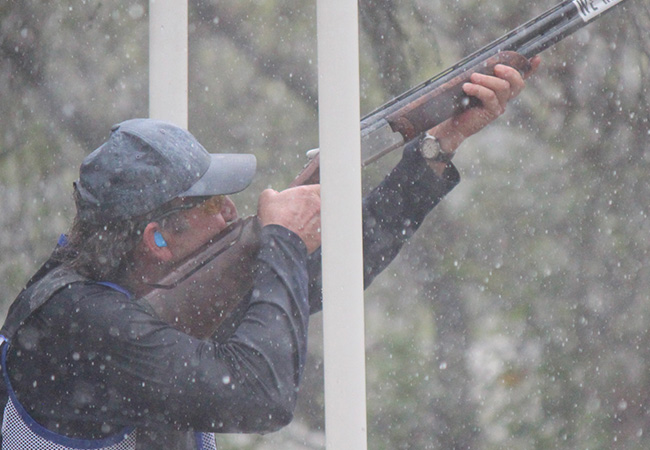
Cold, snowy conditions often introduce glare and flat light, which is why many shooters choose high-contrast tints to help clay targets stand out against bright white backgrounds.
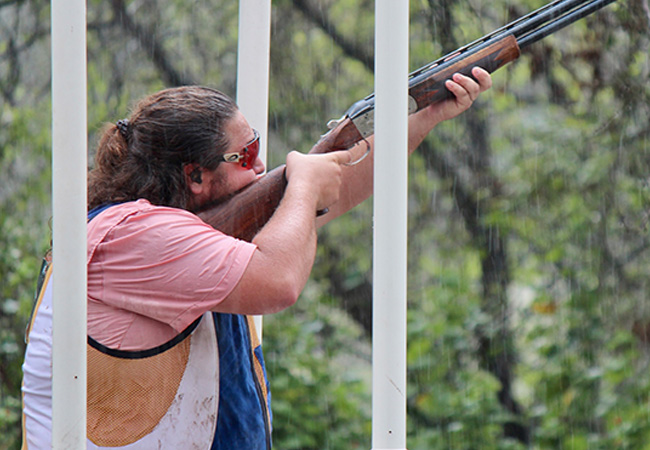
Many shooters prefer hydrophobic and anti-fog lenses in wet conditions like this sporting-clays station shot in the rain, helping maintain clarity as droplets and humidity affect visibility.
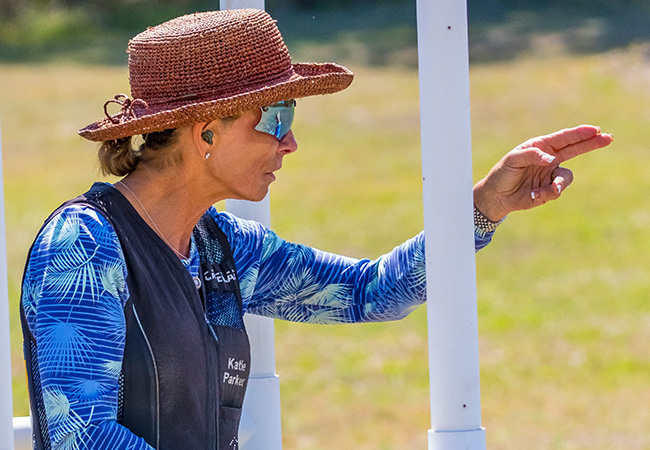
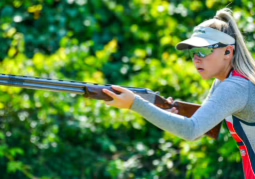
On bright, sunny days, shooters commonly use darker tints such as gray, copper or purple to help manage glare and increase target contrast against the open sky.
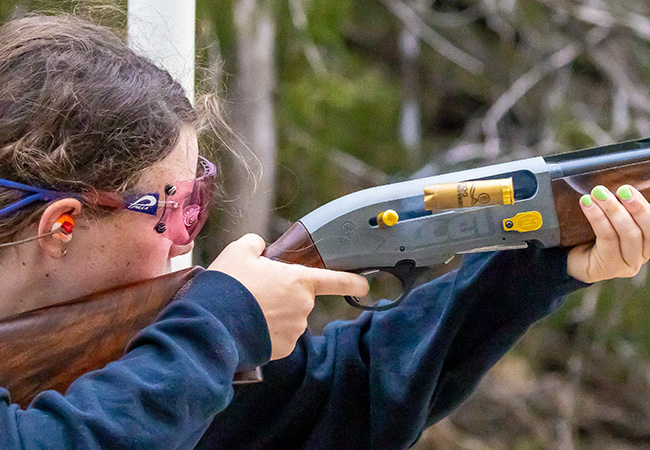
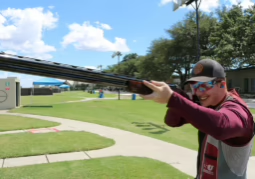
Overcast conditions can flatten colors and contrast, so many shooters switch to lighter tints—like yellow, rose or light orange—to help the target remain visible against a muted background.
XS Sights offers a really helpful Lens color simulator. Give it a try and see how each lens enhances visibility and find the perfect match for your needs.
Step-by-Step
How Do You Choose the Right Clay Shooting Glasses?
Match Tint to Sport and Conditions
Identify your typical environment — bright sun, wooded courses, overcast ranges, variable conditions — and start with the lens tints that match.
Verify Safety Ratings
Many safety specialists suggest choosing glasses marked ANSI Z87.1 or Z87+. For maximum protection, some shooters prefer eyewear that also meets military ballistic standards.
Consider Prescription Needs
Opticians often note that direct-grind Rx lenses can provide superior optical clarity, while Rx inserts are common in ballistic shield systems.
Evaluate Fit and Field of View
Coaches generally recommend wraparound designs for dynamic target presentations and thin temples for compatibility with hearing protection.
Consider Lens-Swapping Needs
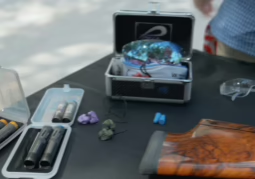
If you shoot in multiple environments or tournaments, a multi-lens kit offers the best value.

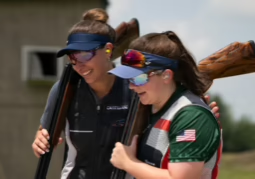
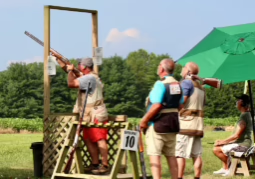
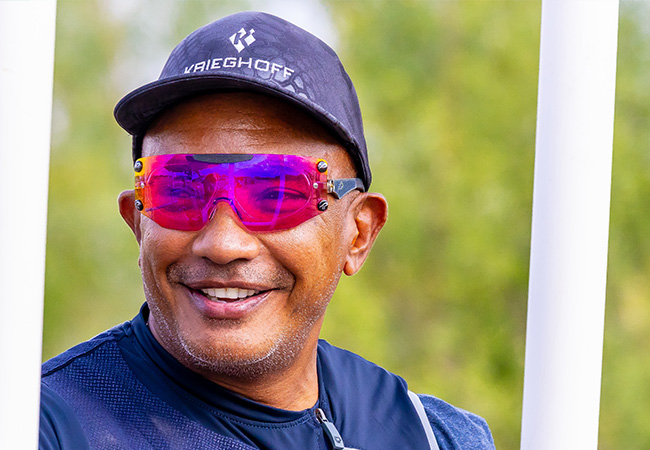
These two shooters demonstrate how lens-color selection often comes down to individual preference, each choosing a tint that works best for their eyes and the day’s lighting.
Some shooters prefer carrying multiple pairs of glasses rather than swapping interchangeable lenses, allowing quick tint changes as lighting shifts throughout the course.
Considering Sport & Budget
There are many reputable manufacturers of target sport eyewear to choose from and pricing ranges from fairly inexpensive to anything but. As with many things, you often get what you pay for, but no matter what your budget is, try on as many as you can before buying, fitting them under your ear protection and in use with a ball cap if you regularly wear one to make sure they don’t fog up, slip, block your ability to see something crucial like your rib beads or fiber optics or interfere with your peripheral vision.
When it comes to choosing colors, many manufacturers package three or four colors together with the frame to sell as a set. They’re a good place to start, especially for skeet and trap shooters, where the targets and backgrounds are more universal. For sporting clays and FITASC shooters, think about the courses you regularly shoot, their various backgrounds through the seasons and the target colors the ranges are known to throw. Those four-lens sets are a good place to start, but consider choosing a brand that has other lens choices you can add as needed to address specific conditions. Remember, part of the point of having exchangeable lenses is to be able to quickly swap them out as the backgrounds and target colors change from station to station throughout a course.
All shooters must wear eye protection, so why not choose lens colors that can actually assist you in better seeing the target? Like your choke tubes and load choices, they’re just one more way to put “Xs” on the scorecard.
How Do You Maintain and Care for Shooting Glasses?
Proper maintenance keeps performance sharp and lenses clear.
Best practices include:
- Use only microfiber cloths to avoid scratching
- Store lenses in individual sleeves
- Keep glasses in a rigid case during transport
- Clean with lens-safe solution
- Avoid leaving them in hot vehicles
- Inspect frequently for micro-scratches that degrade clarity
Regular cleaning and inspection maintains visibility and extends lens life.
Choosing the Right Shooting Glasses Gives You a Real Advantage
Clay shooting happens at speed — you can’t break what you can’t see. By choosing the right lens color, ensuring proper safety ratings, selecting a comfortable fit, and understanding how conditions affect visibility, you equip yourself with a real visual advantage.
Great shooters don’t just rely on technique — they optimize the way they see the target.
For more technique help, combine the right lenses with these sporting clays tips from Madison Sharpe, a national and world champion.
If you’re serious about improving your clay, trap or skeet performance, investing in high-quality clay shooting glasses tailored to your environment is one of the smartest upgrades you can make.
Frequently Asked Shooting Eyewear Questions (FAQs)
This article reflects information from ANSI/ISEA Z87.1 and MIL-PRF ballistic eyewear documentation, NSCA/NSSA/ATA safety rules, manufacturer technical literature and optical research on contrast perception and light filtration. Recommendations on tint and frame selection represent commonly cited practices within the shooting community and may vary based on individual vision and range conditions. Always verify eyewear markings and follow current safety rules at your shooting facility.