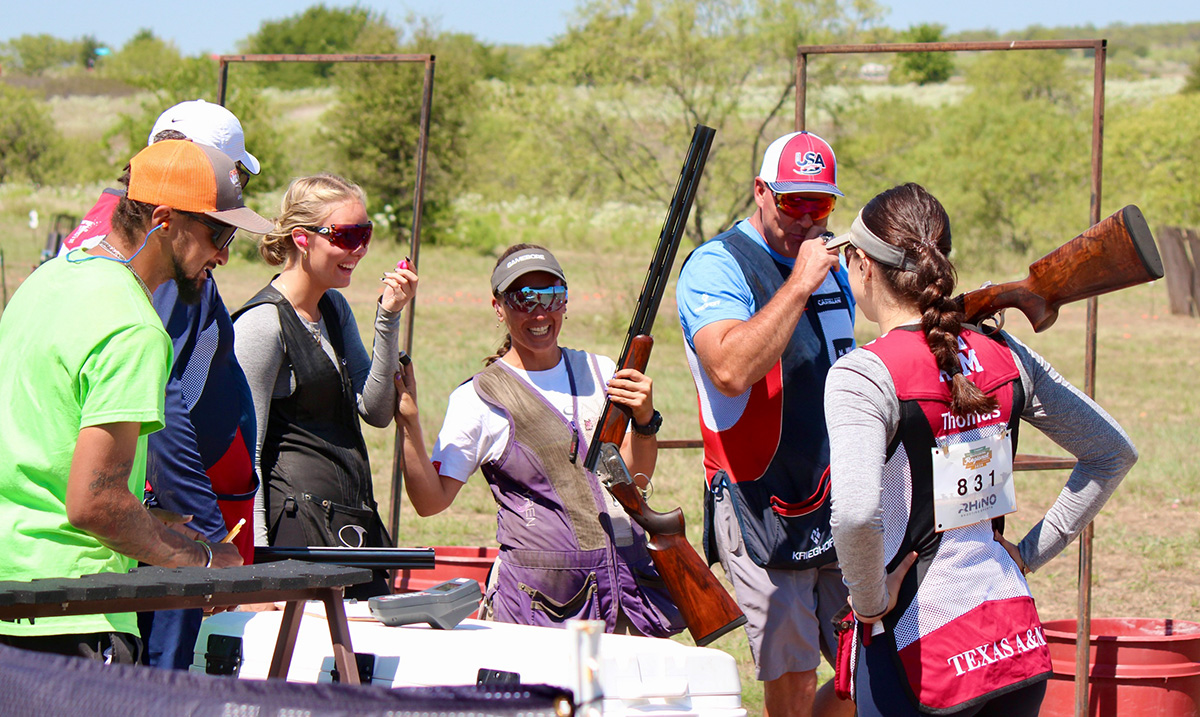
When you step onto the sporting clays course at a National Sporting Clays Association (NSCA) event, you'll be matched with competitors who have similar experience and skill. This fair and fun system is made possible by classifications and concurrents-two ways NSCA organizes shooters for competition.
Whether you're brand new or working toward Master Class, here's what you need to know about where you fit in and who you'll compete against.

New to sporting clays and wondering how competition works? In this NSCA Guide, Nicki Bowers, Assistant Director of the National Sporting Clays Association (NSCA), explains how shooters are categorized by skill level, age and even gender, to ensure fair and fun competition for everyone.
Understanding NSCA classifications (skill level) and concurrents ( age and/or category levels) is key to competing in sporting clays tournaments.
Shooter Levels
What Is the NSCA Classification System?
The National Sporting Clays Association (NSCA) uses a classification system to ensure shooters compete with others at a similar skill level.
3 Factors Determining Who You Will Compete Against at NSCA Matches
Click the tabs below to learn more
Classification
Shooter Class
Sporting Clays under the NSCA is designed to be competitive but fair. That's where the classification system comes in. Every registered shooter is placed into a class based on their past performance, which allows you to compete against others at your skill level.
Where You Start
Every new NSCA member begins in Class C. From there, you can move up-or in some cases, request to move down-based on performance.
The Six Classifications
- Master Class - Top competitive level
- AA Class
- A Class
- B Class
- C Class - Starting point for new shooters
- D Class - Introductory option for beginners who request a re-classification
Event
How Tournaments Affect Your Progress : The size and type of event affect how many advancement points ("punches") you can earn.
Not all NSCA events are the same size. Smaller local shoots may award only a few punches, while state, regional and national championships award more because you're competing against larger fields. This means that:
- The bigger the event, the greater the chance to earn multiple punches.
- Winning your class at a local shoot may give you one punch.
- Placing high at a major event could award several punches at once.
Event size doesn't change your classification or concurrent group, but it does affect how fast you can move up.
Concurrent
In addition to your classification, you may be eligible for a "concurrent" category. These allow shooters to compete in additional groupings based on age and gender. This means you could win awards in both your class and your concurrent at the same event.
Concurrent Categories Include:
- Gender Concurrents
- Ladies
- Age Concurrents
- Sub-Junior:
- Under 16 years old
- Junior:
- Between 16 and 20 years old
- Veteran:
- Between 55 and 64 years old
- Super Veteran:
- Between 65 and 72 years old
- Super Senior Veteran:
- Between 73 and 79 years old
- Legacy:
- 80 years of age and over
NOTE: No contestant shall be eligible for more than one individual concurrent event based on age.
How Are NSCA Shooters Classified?
If you're new to registered sporting clays with NSCA, you might be wondering what the letters Master, AA, A, B, C and D mean and how you're placed in one of those classes. NSCA assigns every shooter a class and keeps it from year to year; during a season you generally move upward only (except by appeal/review). You'll receive a classification card and you must present it when you enter a registered event.
Where you start. A brand-new NSCA member who hasn't shot registered clays is placed in Class C for 12-gauge and Class D for sub-gauge. After your first 300 registered 12-gauge targets with no punches, you may request a classification review if appropriate.
How you move. Unlike NSSA's percentage table by gauge, NSCA advancement is based on punches you earn for high finishes within your class at registered events. Punches scale with the size of your class (more entries = more punches awarded). The Rule Book provides the punch schedule and special allocations for major shoots (e.g., Nationals and U.S. Open).
How to Advance in NSCA Divisions?
In NSCA, every shooter starts somewhere, but how do you move up in class? Whether you're new to sporting clays or already competing regularly, understanding how the punch system works will help you set goals and track your progress.
Frequently Asked Classification Questions (FAQs)
Sporting Clays 101
Whether you're a beginner or looking to refine your skills, this guide provides everything you need to get started.
Join NSCA
NSCA is now offering FREE membership to new shooters. Membership offers competitions, scoring, networking, rulebooks, newsletters and NSCA rankings.
Pull The Trigger Newsletter
Every month, NSSF shares video and article tips from experts in target shooting, hunting, firearm maintenance, game cooking and other firearm-related topics.