You’ve likely heard, “never bring a knife to a gunfight.” While catchy, it’s not exactly practical. The gist behind this expression is you need to make sure you bring the right tool to accomplish the job in front of you. The same goes for selecting the right shotgun gauge for your shooting goals: it’s equally important. Come with me as we “gauge” the gauge that will work best for what you want to accomplish.
Last year, I decided a dove hunting adventure was in order. Being 5 feet tall, I don’t subscribe to the “bigger is better” mentality. In fact, I go the other way — especially when it comes to my range and field shotgun selection.
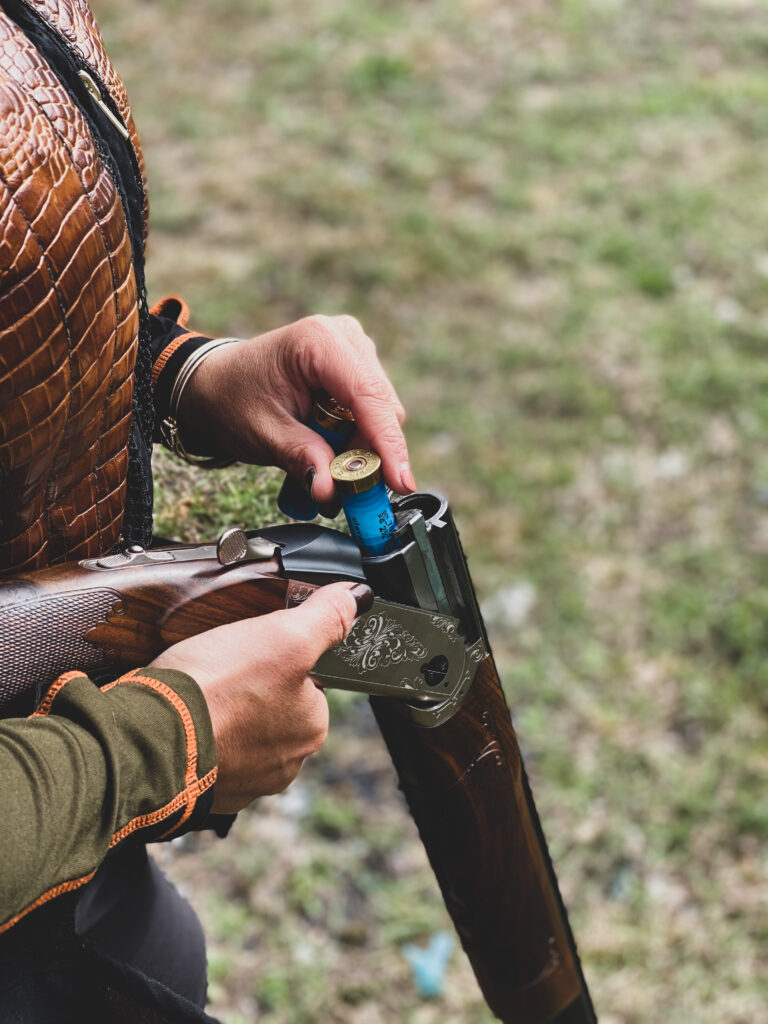
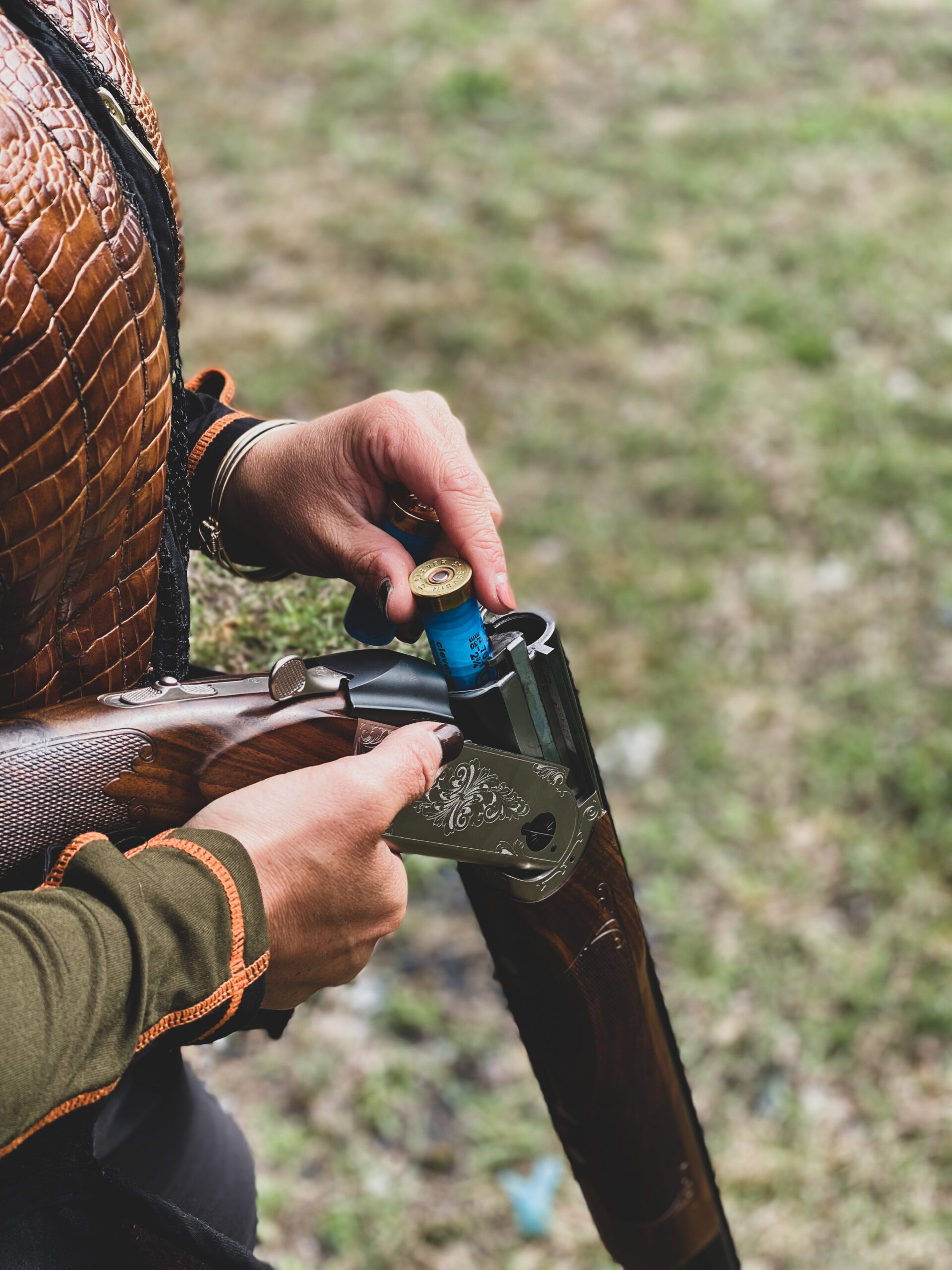
The shotgun gauge that accompanied me on that trip was a Krieghoff K-20 Victoria in 28-gauge with 30-inch barrels. I dropped many doves, and consequently consumed lots of dove poppers on that adventure. And here’s why.
Important Considerations
Selecting a shotgun gauge for fun on the range is approached in the same way as it would be for a field excursion. It takes a few questions. Before we dive into that, let’s break down what we’re talking about.
The gauge of a shotgun refers to the size of the internal diameter of the bore, or barrel, of the gun. In early history, this was measured by the number of leads balls with the same diameter as the barrel that it took to equal 1 lb. Common gauges are 10, 12, 16, 20, 28 and .410. (The .410 is a measurement in inches of the inside diameter of the bore, rather than weight.)
While considering your shotgun purchase, the first thing to identify is what are your goals with this gun? Is it to become a competitive shotgunner? Is it for recreational enjoyment? Is it a hunting preparatory exercise? Is it simply to try a new hobby?
Time to “Gauge” the Gauge
Once you have a firm grasp on your goal(s), it’s time to evaluate gauge. If competition is the end goal, a 12 or 20 is a good entry point. There are a few reasons why.
To start, 12-gauge is a ubiquitous competition platform. That means targets are frequently set to maximize performance of this gauge. Additionally, 12-gauge ammunition is readily available. Whether purchasing factory ammo or going down the reloading rabbit trail, resources are plentiful and more economical than some of the less commonly used gauges.
A 20-gauge shotgun is typically lighter-recoiling from an energy standpoint but can feel snappier due to the gun’s weight. Smaller-gauge shotguns are built on a more diminutive, lighter contour frame. This diminishes gun weight and allows more felt recoil — even if pressures/muzzle velocity/charge weight are less.
The 16-gauge and the 28-gauge are frequently referred to as the “perfect pattern” gauges. That is a very esoteric conversation on pattern density and dimension that has been known to start animated discussions amongst avid shotgunners. Both are very effective chamberings, but ammo availability makes them more expensive options for large-volume shooting.
The .410 is a diminutive darling and a great choice for the masochistic shotgunner looking for a humbling day at the range. With a miniscule pellet count, it is truly a leveler of luck versus skill.
Choosing the Right Shotgun
Here is where gun weight and felt recoil enter the conversation. We must dig a bit into the weeds of gun/gauge pairings because it speaks to our ideal end usage. There are five main types of target shotguns:
- Over/Under (O/U)
- Side-by-Side (SxS)
- Semi-Auto
- Pump-Action
- Unsingle
The first three are the most common when it comes to target shotgun sports. Pump-actions are both practical and traditional for hunting applications, while less popular in target sports.
The Unsingle is a competition trap-specific design to maximize sight picture consistency and regulate pattern point of impact.
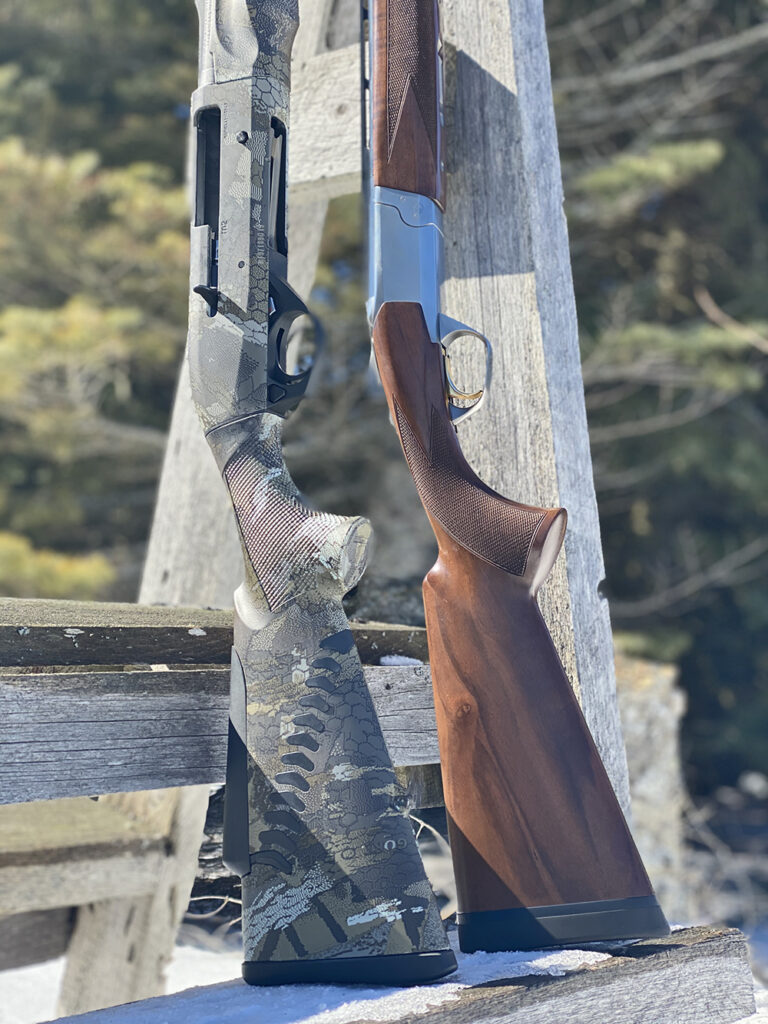
An O/U shotgun is generally going to be on the heavier side compared to a semi-auto. A benefit of a heavier gun typically means there will be less felt recoil (in other words, the backward push or “kick” you experience after firing a round will be less).
Many semi-autos on the market today have sophisticated gas or inertia systems that diminish felt recoil significantly in a comparatively lightweight shotgun.
SxS and pumps are less common on the range for exclusive target shooters. Those come out to play more for upland or waterfowl hunters looking for some pre-season prep.
Putting it All Together
Circling back to our premise — finding the gauge that’s best for you — let’s look at what we’ve learned so far.
- Did we define our shooting goal(s)?
- What type of shooting experience is important to achieve our goals?
- Are you looking for a maximum pellet count with an indifference to recoil and a lineup of trophies on the wall?
- Are you on a hunt prep mission? If yes, then practice with what you plan to load into your shotgun.
- Just looking for fun? Go with the most enjoyable shooting experience.
- Looking to be a serious recreational shooter? Find that balance of gauge, platform, performance and personal taste.
Finding the shotgun gauge that works for you is a multi-faceted journey that must be approached with both gusto and critical thought. From traditional 12s and dainty .410s to golden 20s, iconic 28s and ideal 16s, there is something for everyone.
Define your goals and then find the gauge and platform combo that will help you get there.
About the Author
Andrea Bogard is a Northern Michigan native. Her shooting journey began with IPSC and bowling pin shoots at the age of 12. Today, Andrea resides on her little slice of country heaven with her two boys and chocolate lab, Mr. Moose. Follow Andrea Bogard’s shooting life on her website.